A Tea-and-Conversation Gift Without More Mugs
Give a meaningful tea-and-conversation experience without adding cabinet clutter. This practical planning guide helps you match recipient drink preferences, select the right setting, and write a clear invitation with specific dates so your shared time actually makes it onto the calendar.

To give a memorable tea-and-conversation gift without adding another ceramic mug to someone’s crowded kitchen cabinet, pair a single, tailored consumable with a concrete, pre-planned invitation. The difference between a vague promise to get together and a true experiential gift lies in the logistics: you handle the scheduling, select the setting based on their comfort level, and match the beverage to what they actually drink.
In its October 28, 2026 holiday survey report, the National Retail Federation described U.S. shoppers’ plans for gifts and seasonal shopping. Those intentions provide context for planning, not a prediction of what any individual will enjoy.
Why the Invitation Matters More Than the Vessel
Novelty drinkware often ends up pushed to the back of a shelf because most households already have a preferred set of daily cups. When you shift the focus from the object to the occasion, the gift becomes the dedicated time you set aside and the effort you put into hosting or organizing.
However, an open-ended voucher for a future tea date can accidentally create an administrative chore for the recipient. If they have to pick the place, coordinate calendars, and figure out what to order, the gift loses its ease. Doing that quiet prep work upfront turns a casual gesture into a complete, thoughtful present.
Pre-Gift Planning Worksheet: Drink Preferences and Setting
Before buying a tin of leaves or booking a table, run through this four-part worksheet to tailor the outing or home visit to your recipient’s actual habits.
- Confirm the base beverage preference: Observe what they order or keep on their counter. Note whether they prefer black, green, oolong, white, or herbal infusions, or if they actually prefer coffee or hot chocolate while you drink tea.
- Check caffeine and flavoring boundaries: Some people strictly avoid caffeine in the afternoon, while others dislike heavily perfumed botanicals, artificial fruit flavors, or smoky blends. When purchasing packaged tea to accompany an invitation, always check the manufacturer label for ingredient lists, allergen warnings, and preparation directions.
- Assess the noise and seating tolerance: Consider whether the person enjoys the bustle of a busy cafe or prefers a quiet corner where conversation is easy to hear.
- Identify the scheduling window: Pinpoint two or three realistic days and times in January or February when the initial holiday rush has settled, so you can offer concrete options inside the card.
Choosing Between a Cafe Outing and a Home Visit
The setting shapes the conversation. Use the comparison table below to decide which venue structure fits your relationship and the recipient’s personality.
| Venue Option | Ideal Recipient Profile | What You Provide | Logistical Check Before Committing |
|---|---|---|---|
| Quiet neighborhood cafe | Enjoys getting out of the house; likes browsing pastry cases; prefers a low-pressure, neutral territory. | Transportation if needed, the tab for drinks and a café snack, and a pre-vetted location with comfortable seating. | Verify current operating hours, seating availability, and whether the shop serves loose-leaf or specialty teas rather than just basic bags. |
| Formal afternoon tea room | Appreciates a structured occasion; enjoys dressing up or trying a multi-course savory and sweet menu. | A confirmed reservation for a specific date, payment handled in advance or discreetly at the table. | Check the venue’s reservation policies, cancellation windows, and ability to accommodate the recipient’s dietary preferences. |
| At the recipient’s home | Homebody; caretaker with limited free time; someone who relaxes most in their own living room. | A sealed, store-bought tea from a specialty purveyor and a ready-to-serve bakery item, plus full cleanup afterward. | Confirm they do not feel pressured to clean or host; bring a tea infuser only if you know they only use bagged tea and you bought loose leaf. |
| At your own home | Close friend or family member who enjoys a cozy, private catch-up without public noise or time limits. | A welcoming space, a curated menu of two or three drink options, and store-bought accompaniments. | Ask about household pet sensitivities or accessibility needs before finalizing the plan. |
Hypothetical Scenarios: Putting the Plan Together
To see how these elements combine without relying on extra dishware, consider two hypothetical examples designed for different lifestyles.
Hypothetical Example 1: The Busy New Parent or Caretaker. A friend whose schedule is anchored to home routines rarely benefits from a voucher to a downtown tea salon an hour away. Instead, you select a sealed tin of decaffeinated rooibos from a local shop—checking the package label to ensure it fits their preferences—and tuck it into a card proposing a 90-minute morning visit at their kitchen table. You specify that you will bring pastries from their favorite bakery, brew the pot, and wash the cups before leaving.
Hypothetical Example 2: The Friend Who Loves City Exploring. For a relative or colleague who enjoys trying neighborhood spots, you skip physical items altogether. You research a specialty tea bar that offers single-origin tastings, verify its afternoon hours, and present a handwritten card offering two specific Saturday afternoons in January for a one-on-one tasting flight, rideshare included.
Usable Invitation Scripts for Your Gift Card
The wording inside your card should remove all guesswork. Adapt one of these three templates depending on the format you chose:
For a cafe outing: “Instead of another thing for your shelves this year, I want to treat you to an afternoon of good tea and uninterrupted conversation at [Cafe Name]. Are you free on [Date Option A] at 2:00 PM or [Date Option B] at 10:30 AM? My treat—just let me know which day works and I will handle the rest.”
For a visit to their home: “I picked out this tea specifically for you, and it comes with a built-in catch-up session. I would love to bring over fresh scones from [Bakery Name] on [Date Option A] or [Date Option B], make us a pot, and handle all the dishes so you don’t have to lift a finger.”
For a reserved tea room experience: “I booked us a table for two at [Venue Name] so we can properly catch up after the holidays. I am holding a reservation for [Day, Date] at [Time]—if that conflicts with your schedule, let me know by [Date] and I will gladly move it to a weekend that fits.”
Your Next Step Before Wrapping
Open your calendar right now and block out two tentative two-hour windows in the first three weeks of January. Write those exact dates directly into the gift card before sealing the envelope, and set a reminder on your phone for three days after you hand over the gift to follow up and lock in the final time.
Related reading
- A Holiday Calendar With Deliberately Empty Evenings
- How to Give an Experience Without Giving Someone Homework
Sources and editorial notes
This is a research-based editorial guide, not a hands-on product test. Suggestions and hypothetical examples are our editorial interpretation; current prices, availability and terms should be checked with the provider.
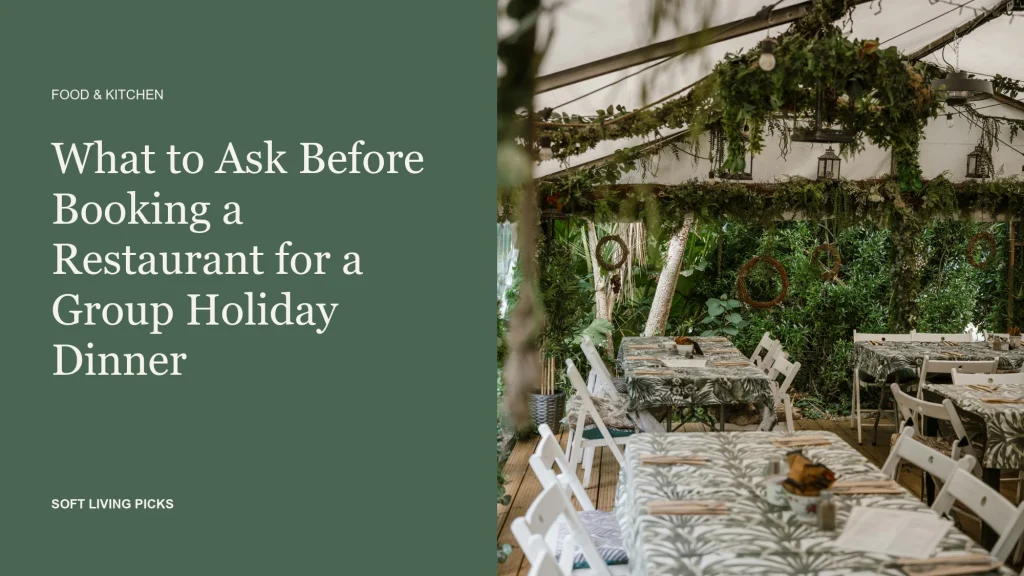
What to Ask Before Booking a Restaurant for a Group Holiday Dinner
Before you reserve, find out whether everyone can sit together and when each guest can order. Use a two-venue call sheet to compare…
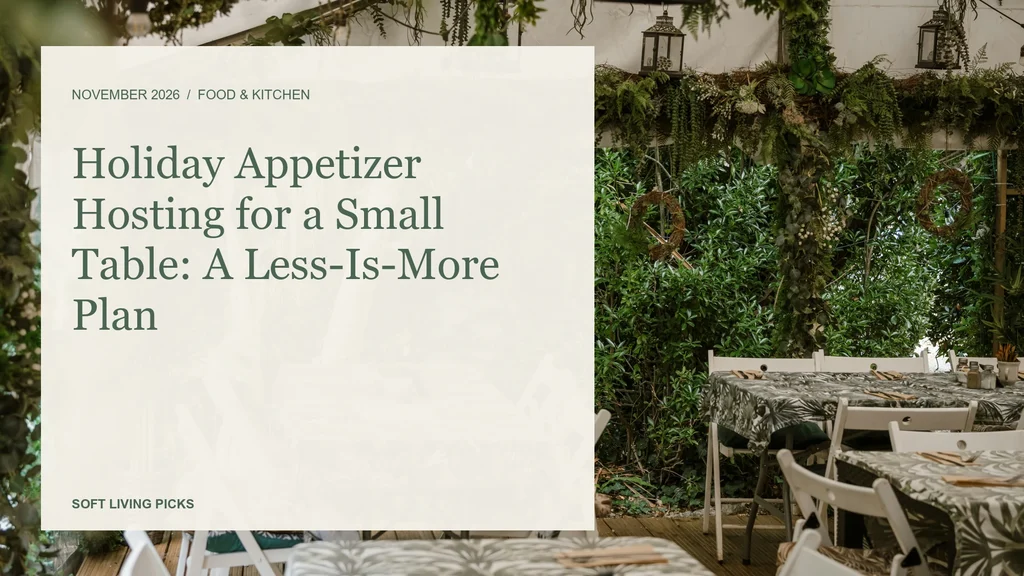
Holiday Appetizer Hosting for a Small Table: A Less-Is-More Plan
Hosting two to four guests around holiday appetizers works smoothly when you limit dish variety, borrow infrequent serving pieces, and clear surface clutter…